EcoStream: Redefining Faucet Intelligence Thu, Sep 7 2023 sustainability sustainable environment and essential needs water conservation EcoStream is an intelligent water-saving solution designed to conserve water through real-time, AI-driven control. It retrofits any existing faucet, using sound analysis to monitor and adjust water flow based on usage patterns. Equipped with sustainable power, it seamlessly integrates with a smartphone app for live monitoring and control.
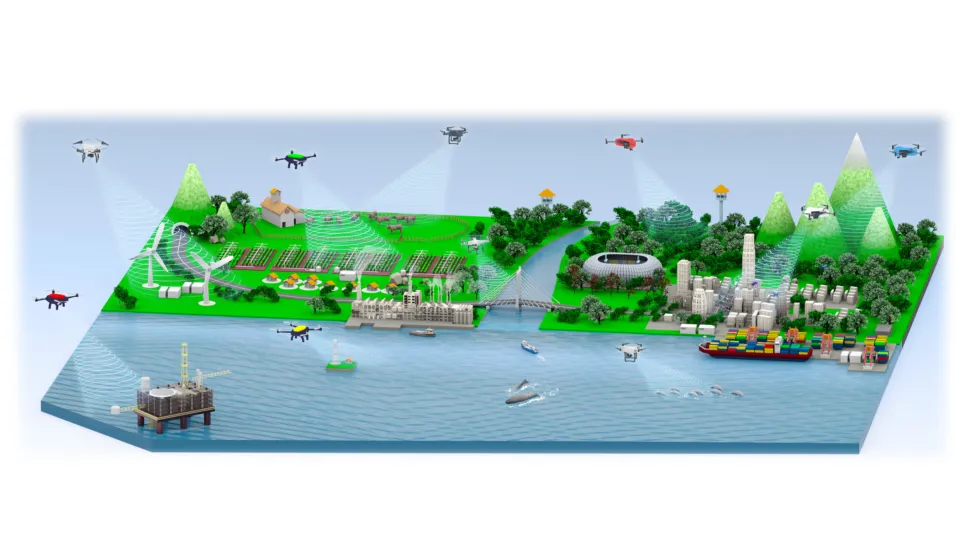
Data Harvesting from Hard-to-Reach IoT Deployments: Aerial Data Collection Approach Sun, Jan 23 2022 Research Problem Statement The growing adoption of the Internet of Things (IoT) across diverse industries faces critical challenges in energy sustainability and operational efficiency. IoT devices, which are predominantly battery-powered, experience significant energy consumption due to continuous communication and sensing operations. This results in frequent battery replacements, which are impractical for large-scale deployments, especially in hard-to-reach areas. Additionally, current data collection methods, such as terrestrial LoRaWAN networks, are limited in scalability, cost-efficiency, and
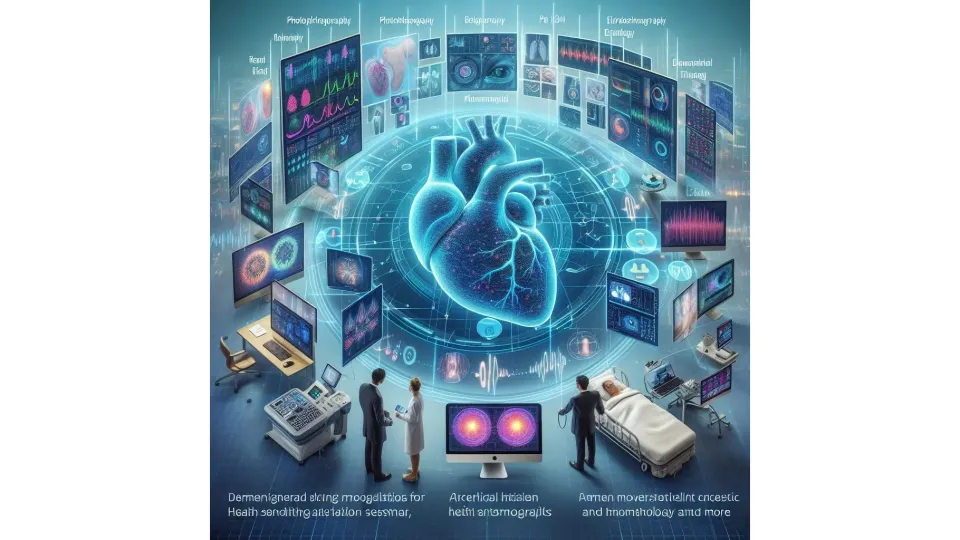
Smart Health Sat, Jan 1 2022 - Fri, Dec 31 2027 The smart health project at Information Science Lab (ISL) leverages a wide range of sensing modalities for data acquisition from human subjects, and utilizes emerging artificial intelligence (AI) methods for analysis of various 1D biosignals, i.e., electrocardiography (ECG), photoplethysmography (PPG), phonocardiogram (PCG), electroencephalography (EEG) and more. The goal is to design intelligent, patient-centric health sensing systems which are anticipated to be an integral part of the smart homes and smart cities of the future. ISL is a member of KAUST smart health initiative, which aims to
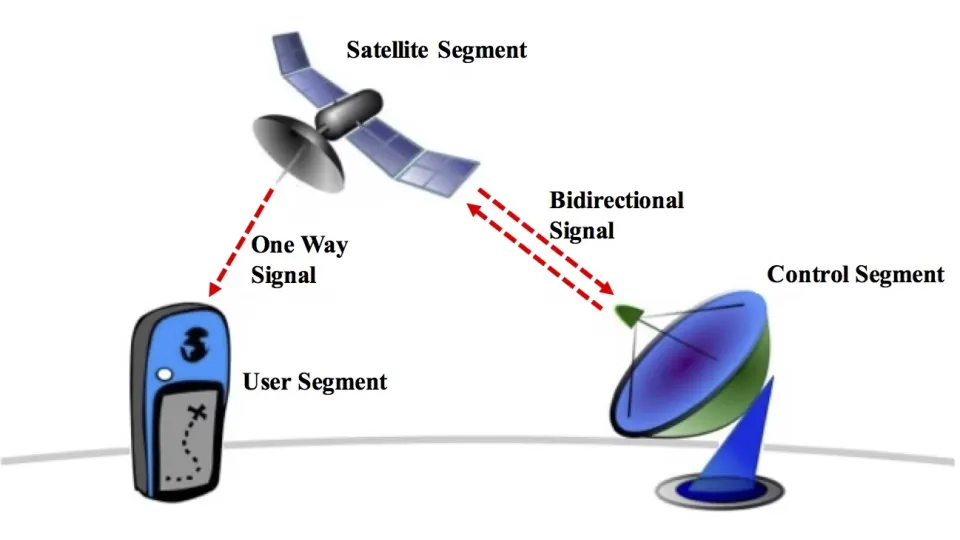
GNSS Attitude Determination and Precise Positioning Sat, May 1 2021 Research Global Navigation Satellite Systems (GNSS), including GPS, GLONASS, Galileo or BeiDou, are used in many applications, most notably tracking the position and attitude (or orientation) of a vehicle or any moving platform. The advances in automated driving systems have recently reignited interest in GNSS positioning and attitude determination. The goal of this research project is to develop accurate real-time techniques for GNSS positioning and attitude determination. Our current and future research in this area focuses on three main areas 1) Attitude Determination; 2) Precise real-time
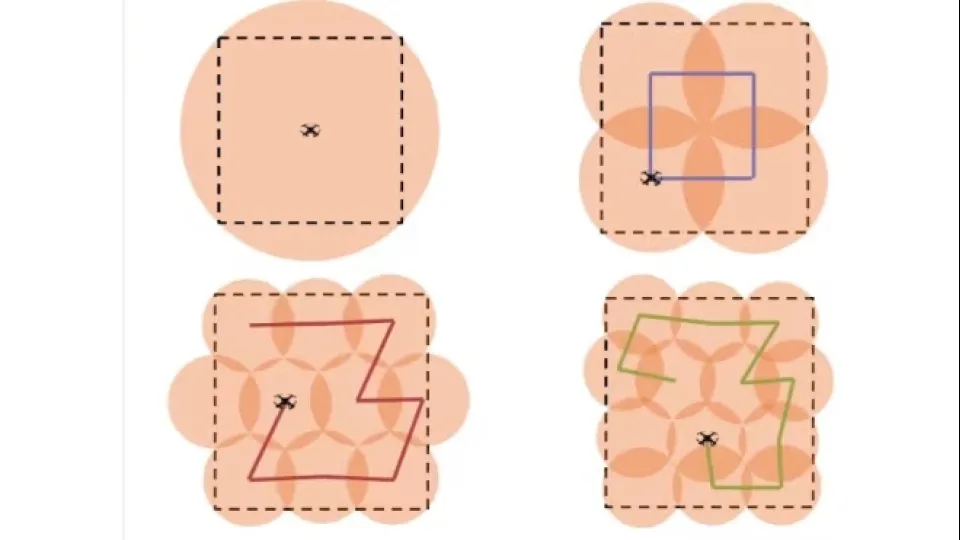
Aeronautical Data Aggregation and Field Estimation in IoT Networks: Hovering and Traveling Time Dilemma of UAVs Fri, May 1 2020 The Internet of things (IoT) advancement relies on connecting a huge number of sensors that are inexpensive, simple structured and self-powered. IoT network offers a solution to avoid and manage natural disasters (such as forest fire, floods, etc.). Objective is to collect data from IoT devices that are spread over an area of interest while considering network constraints (for instance, IoT devices are low cost, simple structured and self-powered). Traditional Data Aggregation Methods Direct transmission suffers from high power consumption. Relaying suffers from data routing complexity
Mobility Analytics: Pioneering Insights in 5G Networks Fri, May 1 2020 - Wed, May 1 2030 Mobility Analytics is an innovative project designed to harness the full potential of 5G networks by providing profound insights into mobility patterns. This technology answers critical questions such as "why," "when," "what," and "how long" in the context of user mobility, creating new value opportunities for network operators and service providers. Originating during the COVID-19 pandemic as a tool for contact tracing, Mobility Analytics has evolved into a comprehensive solution that enhances understanding of human movement and interaction within networked environments. The project has
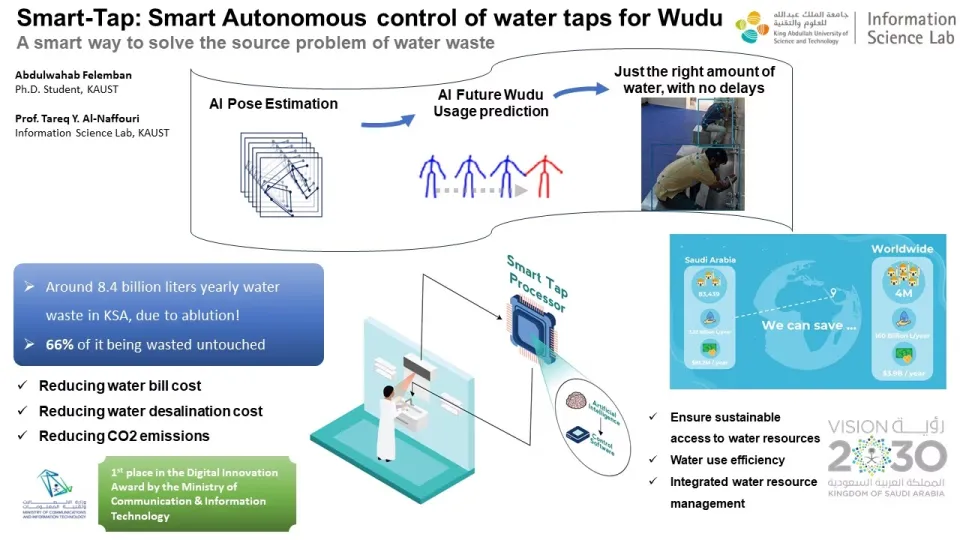
Smart-Tap: Revolutionizing Water Usage for Wudu with AI Fri, May 1 2020 Water is a precious resource, especially in arid regions like Saudi Arabia, where every drop counts. Ablution, or Wudu, a vital ritual in Islamic practice, significantly contributes to water consumption. With millions performing Wudu multiple times a day, the cumulative water waste is staggering. Enter the Smart-Tap project, spearheaded by Abdulwahab Felemban, a Ph.D. student at KAUST, under the guidance of Prof. Tareq Y. Al-Naffouri from the Information Science Lab at KAUST. This innovative solution leverages artificial intelligence to optimize water usage during Wudu, promising substantial
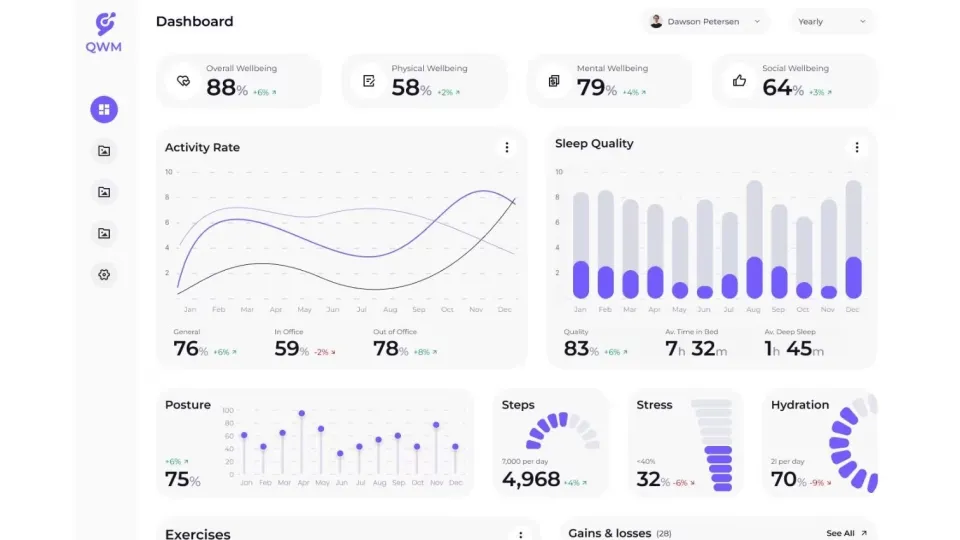
Qawam Wed, May 1 2019 Boost Your Confidence and Improve Your Health with Qawam's AI-Powered Posture Monitoring Solutions Qawam is addressing the pervasive issue of poor posture resulting from the increasing use of screens in daily life. As people spend more time on computers, smartphones, and other digital devices, they often develop a slouched posture, which can lead to chronic pain, particularly in the back, neck, and shoulders. Poor posture is not just a physical issue; it can also affect the confidence and mental well-being of a total of 6.5 million office workers in Saudi Arabia. By leveraging AI technology
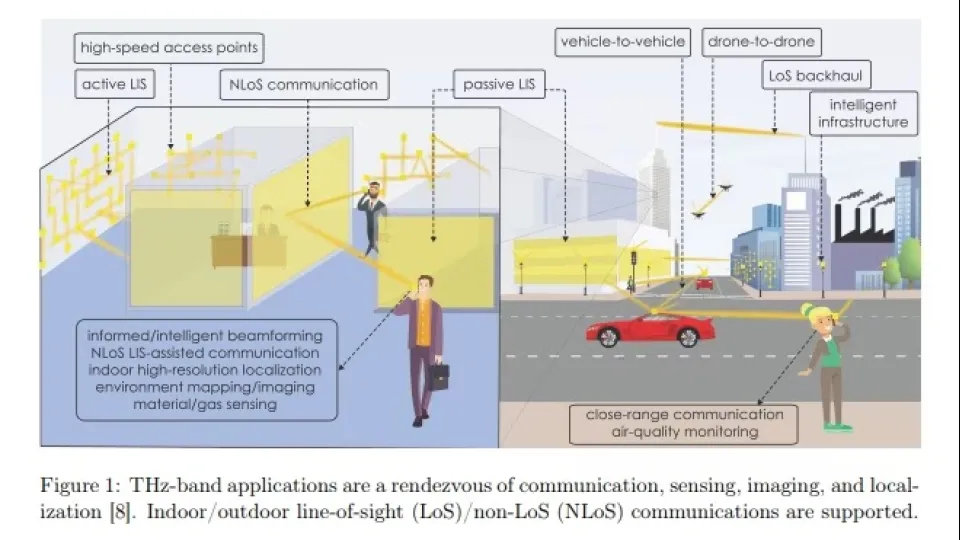
Massive MIMO and Terahertz Communications Tue, May 1 2018 Research THz-Band Ultra-Massive MIMO System and Channel Modeling To advance signal processing for THz communications research [1, 2], we developed TeraMIMO [3], an accurate, open-source MATLAB simulator [4] for stochastic wideband ultra-massive multiple-input multiple-output (UM-MIMO) THz channels. TeraMIMO models critical THz channel statistics, including coherence time, coherence bandwidth, Doppler spread, and root-mean-square (RMS) delay spread. It captures frequency-selective and time-variant THz channels across various communication distances, ranging from nano-communications to short-range indoor
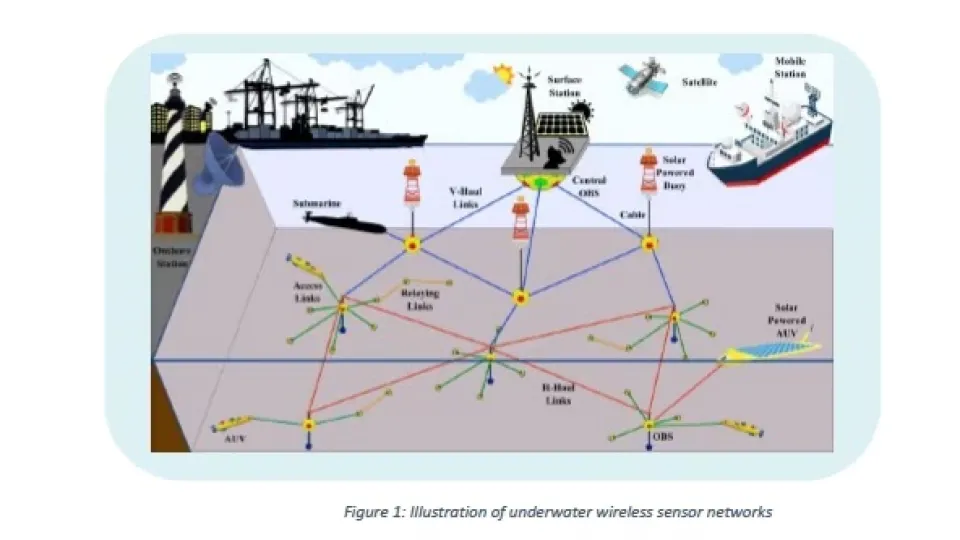
Underwater and Underground Communications and Localization Tue, May 1 2018 Oceans, which occupy 97% of planet Earth surface, produce numerous benefits to humankind, e.g., food supply, climate regulation, recreation, transportation, and medicine. Nevertheless, 95% of oceans remains unexplored, which necessitates deploying underwater wireless sensor networks (UWSNs), as a means to explore oceans and reserve their bio-diversity. Fig. 1 shows illustrates an example of UWSN consisting of underwater sensor nodes, autonomous underwater vehicles (AUVs), submarines, and underwater base stations. UWSNs have the valuable capabilities of enhancing diverse applications such as